





Services

We support the logistics transformation end to end

We are redefining collaboration: from strategy to go-live and beyond. Our focus: the perfect balance between technology, people and process.

Our approach

Our holistic approach

Logistics projects rarely fail because of the technology. They fail because of processes the system does not reflect, and people nobody brought along.That is why we work on all three fields in every project, and especially on where they meet.

The three fields

  • People (Human)People decide whether a system works – the picker at the scanner just as much as the developer who will maintain it in three years. We plan for the people who work with it every day, not for the presentation.
  • Processes (Process)The process describes how goods, information and decisions move through the warehouse. Only once it is clear is it worth building a system – otherwise you are just digitising chaos.
  • Technology (Tech)SAP EWM, equipment, interfaces: technology makes processes fast and repeatable. Provided it follows the process – and not the other way round.
HumanProcessTechEnablementExperienceAutomation

All three meet in the middle. This is where we come in: a company in which people, processes and technology work together – and none of the three holds the others back.

Each of our services contributes to at least one of these fields – most of them to two.

What we do to get there.

01

Consulting & analysis

We clarify what a system has to deliver before any budget is committed.

  • We show how your warehouse processes actually run – not how they are documented. Process mining analyses the system data and reveals waiting times, detours and exceptions that nobody notices in day-to-day work any more.

  • SAP EWM (Extended Warehouse Management, SAP's warehouse management system) is available embedded in S/4HANA or as a separate system – and there are third-party systems as well.We assess the options against your processes and IT landscape and deliver a recommendation that IT and logistics both stand behind.

  • Process by process, we check what the SAP standard covers and where customisation is really needed. The result is a reliable backlog – and usually less custom development than feared.

  • Before a decision is made, we recreate the critical process in the system: for example, the integration of a shuttle or a special picking strategy.

  • If you commission equipment from a general contractor, an SAP concept comes with it – written from the equipment's point of view. We review the specification and EWM design for gaps, process risks and follow-up costs before anything is signed.

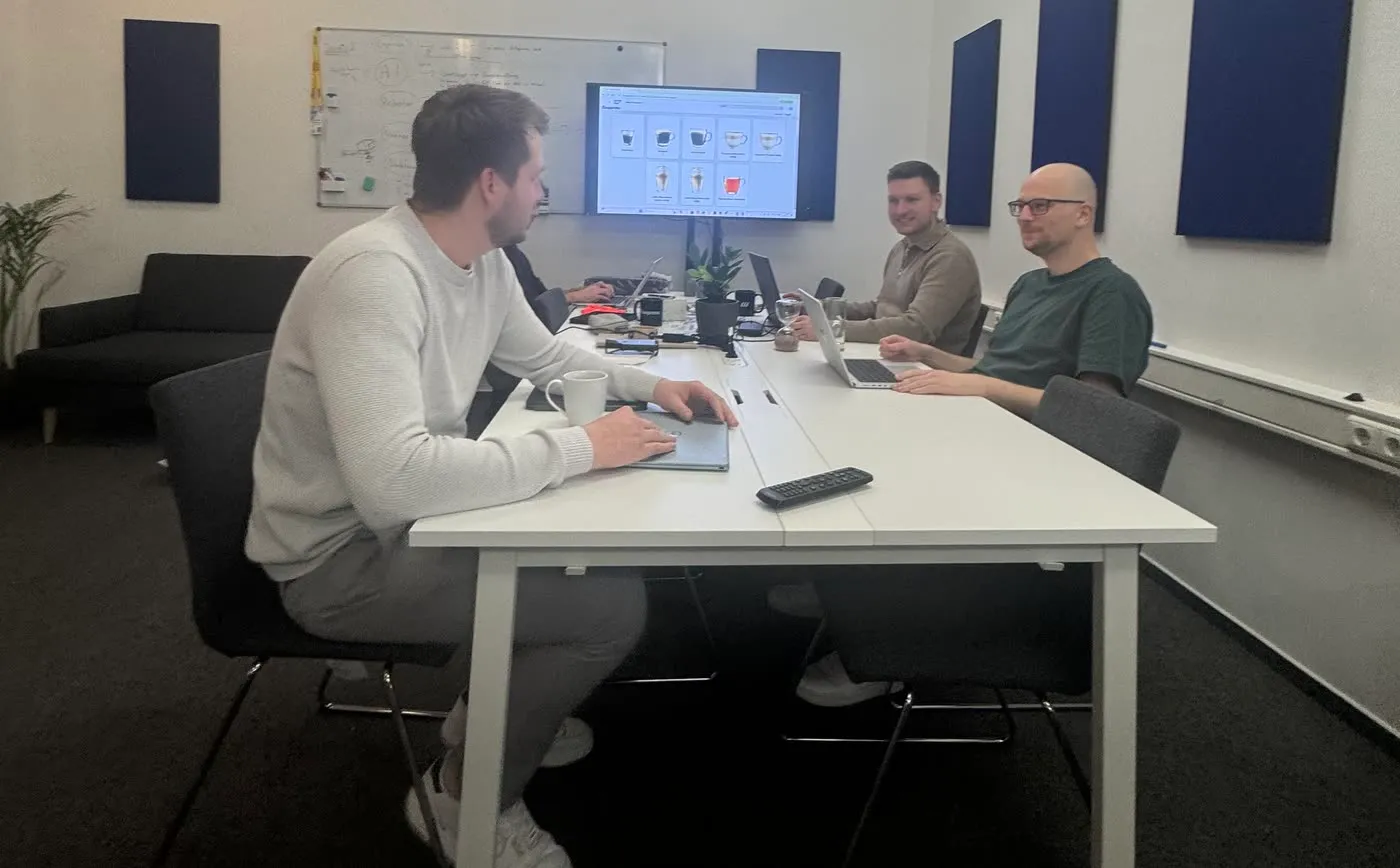
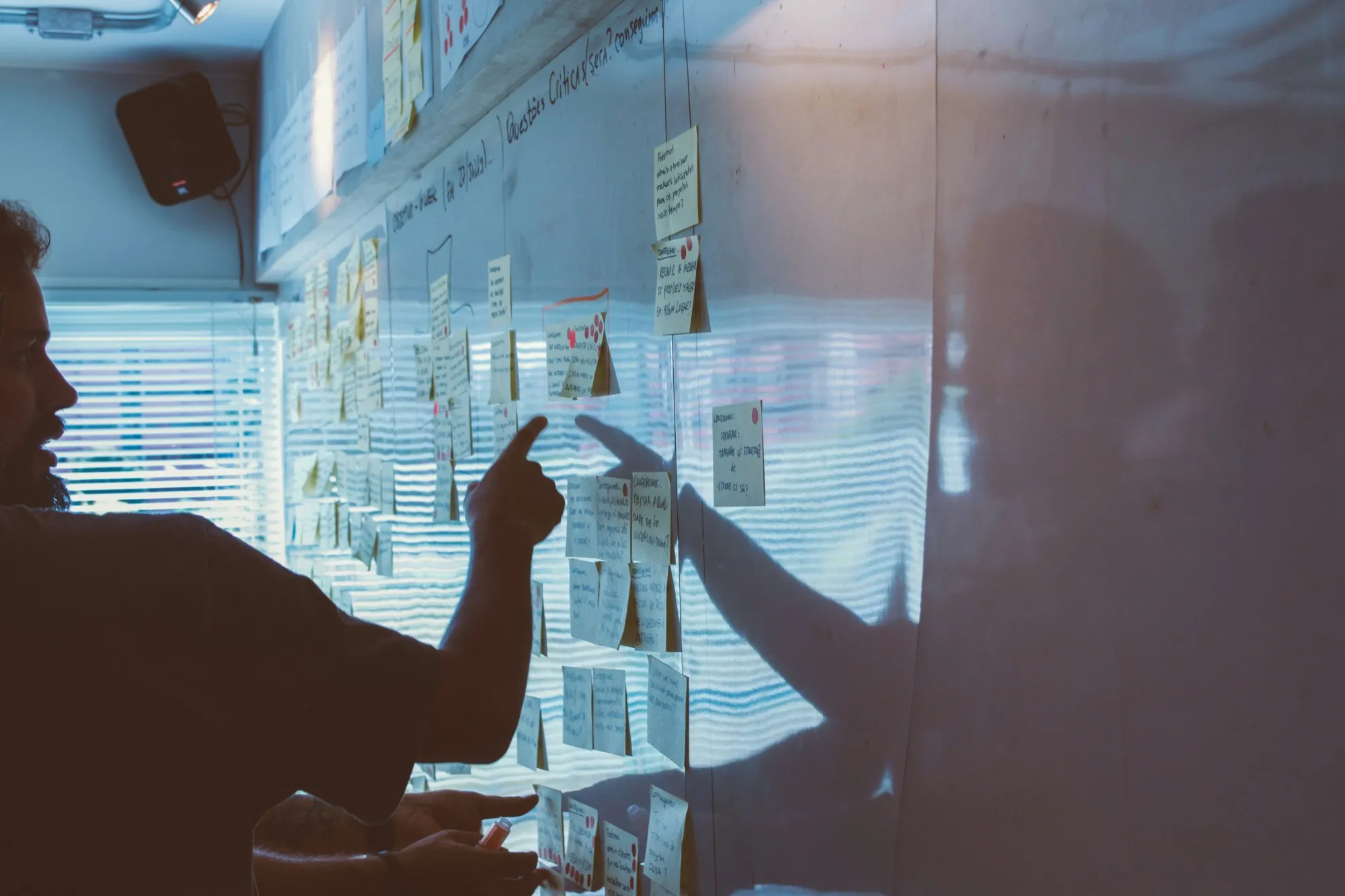
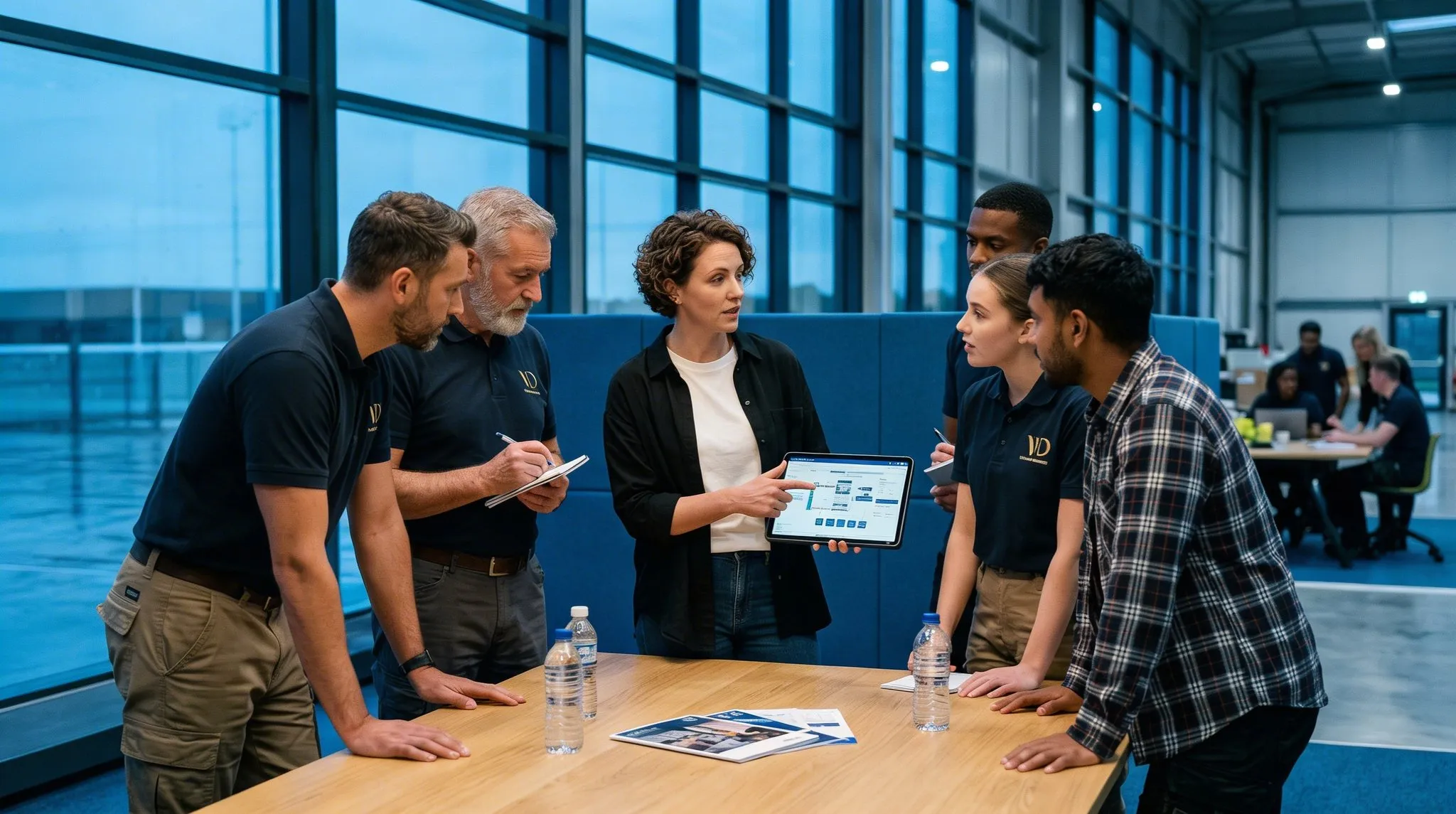
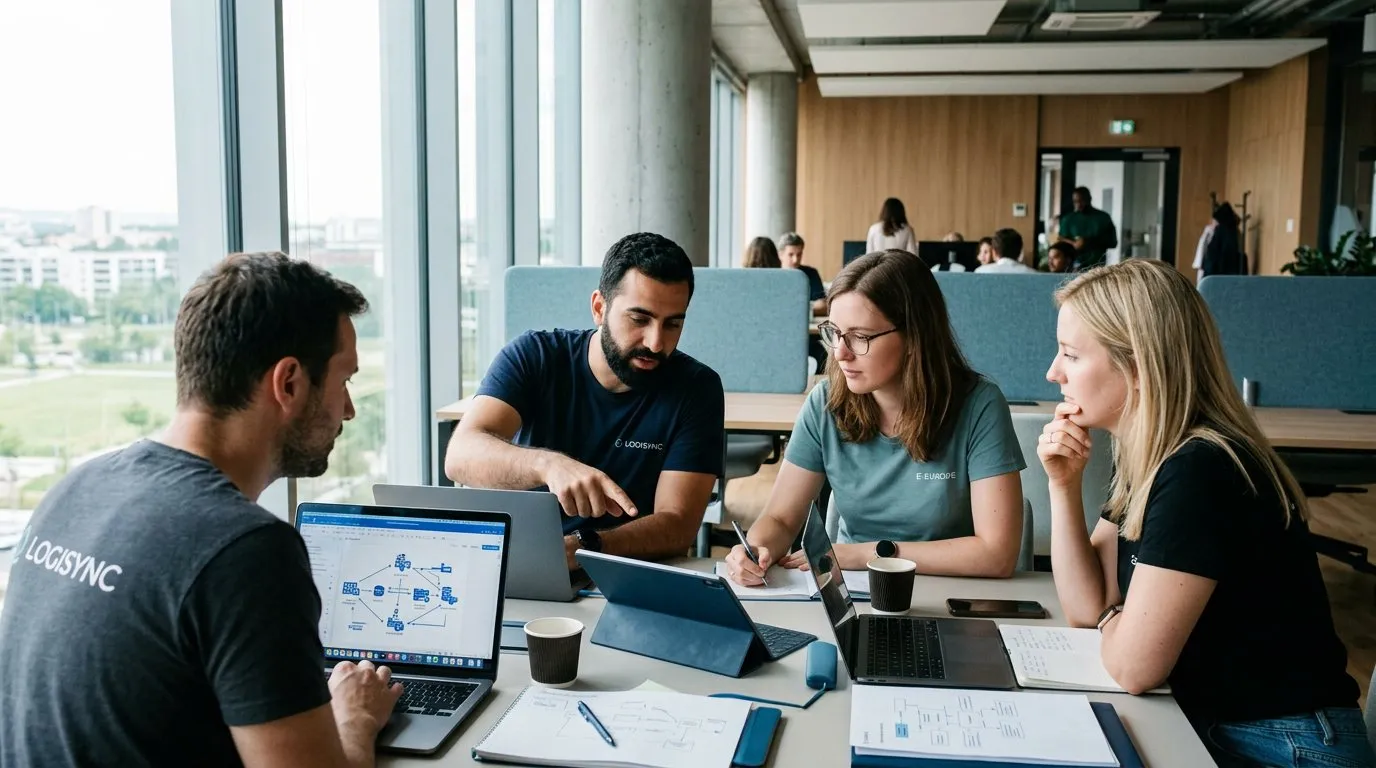
Flowprime team analysing processes together at a screen
02

SAP implementation

A warehouse system that runs on day one and holds up in operation.

  1. Design & customising

    We translate the workshop results into a system design and set up SAP EWM accordingly: warehouse structure, strategies, resources, exceptions.As much standard as possible, so that updates do not become a hurdle.

  2. Migration (data, system)

    We transfer master and stock data cleanly and bring legacy systems into the new world – from SAP LE-WM to EWM or from a third-party WMS.We check data quality before go-live, not after.

  3. Testing & test management

    We plan and manage tests from individual processes to integration tests with equipment and third-party systems.Test cases, acceptance criteria and defect tracking are documented – go-live holds no more surprises.

  4. Cutover & go-live

    The cutover is the switch from the old to the new system: stock transfer, switchover, ramp-up.We plan it to the hour, support the changeover on site and keep the fallback option ready until operations run smoothly.

  5. Training

    We train key users and end users on their own processes, not on the standard manual.Training materials, a key user concept and exercises in the test system ensure that the knowledge stays in the company.

  6. Project management

    We take on project or sub-project management for the SAP part: planning, steering, coordination between business, IT and equipment supplier.Also as reinforcement on the client side when internal capacity or SAP experience is lacking.

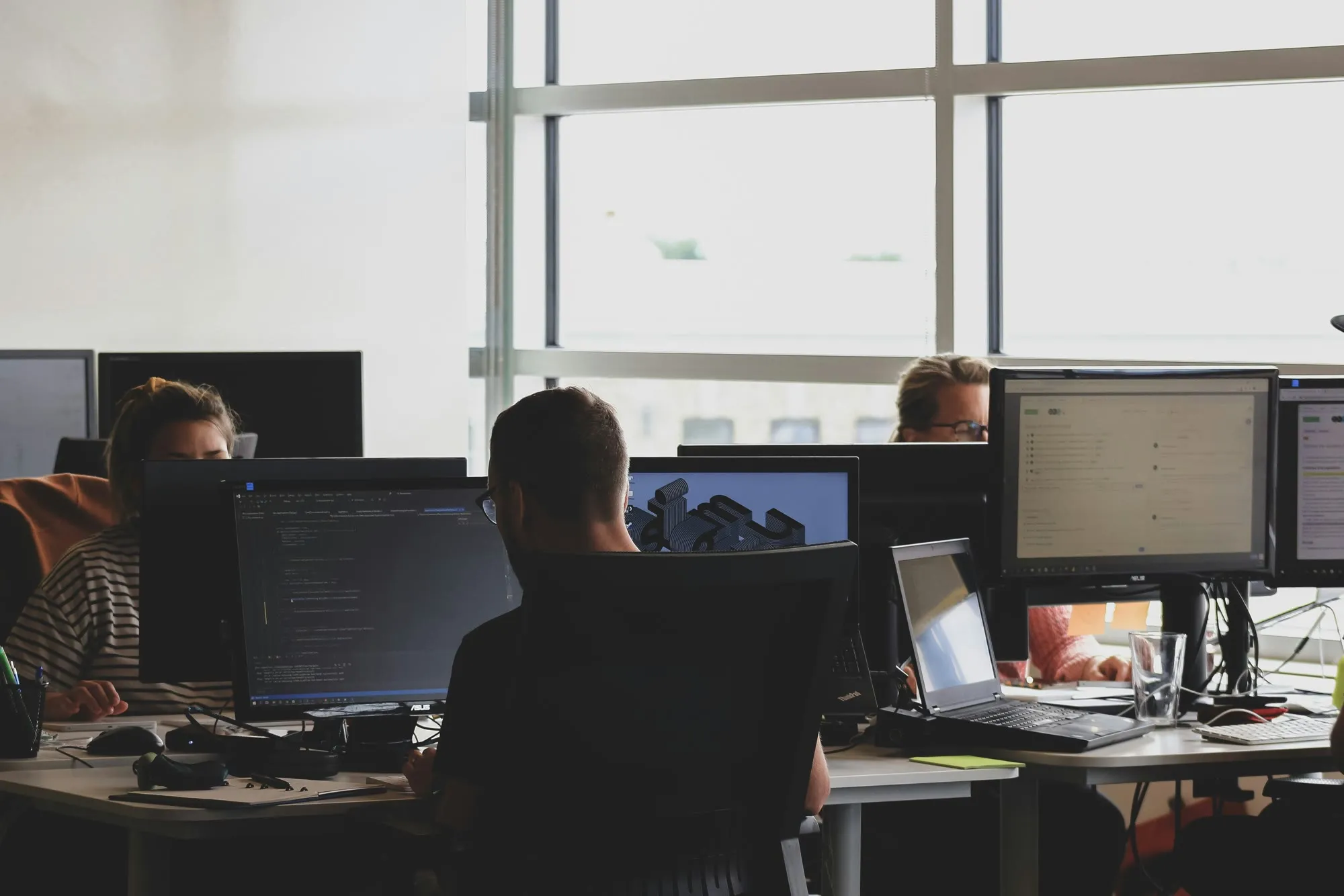
Team working at screens in a bright office
03

Extension & development

Where the standard ends, we keep building – without boxing the system in.

  • Fiori & UI5 appsWe develop user interfaces for the people who work with them every day.Cockpits for the control room, mobile apps for the forklift, dashboards for shift management.Fiori is SAP's UI standard, UI5 the framework behind it – custom apps fit in just like SAP's own.
  • Backend extensions (ABAP, RAP, CAP)Whatever the standard does not cover, we extend in the backend.With ABAP in the system itself or with RAP and CAP, SAP's current programming models for upgrade-safe extensions.Every extension is documented so that someone will still understand it in five years.
  • Extension strategy & clean coreClean core is SAP's guideline for keeping the system core free of custom developments so that updates go through without rework.We assess existing extensions and decide case by case between standard, in-app extension and SAP BTP (Business Technology Platform).And we give IT a rule it can apply itself.
04

Process automation & AI

Recurring work disappears from day-to-day business – traceably and without sprawl.

  • Approvals, follow-up postings, status messages: we map routines like these as workflows – in SAP Build Process Automation (SAP's low-code tool) or with n8n for processes beyond SAP. The business gets automation without a development project, and IT stays in control.

  • We bring in large language models (LLM) and machine learning (ML) where they help measurably: reading delivery notes, forecasting stock, classifying faults, pre-sorting requests.Every solution has a clear use case, a defined data basis and a person who approves the result.

  • We help SAP teams use AI-assisted development productively – coding assistants and vibe coding included. This includes rules for quality, security and accountability, so that speed is not paid for with technical debt.

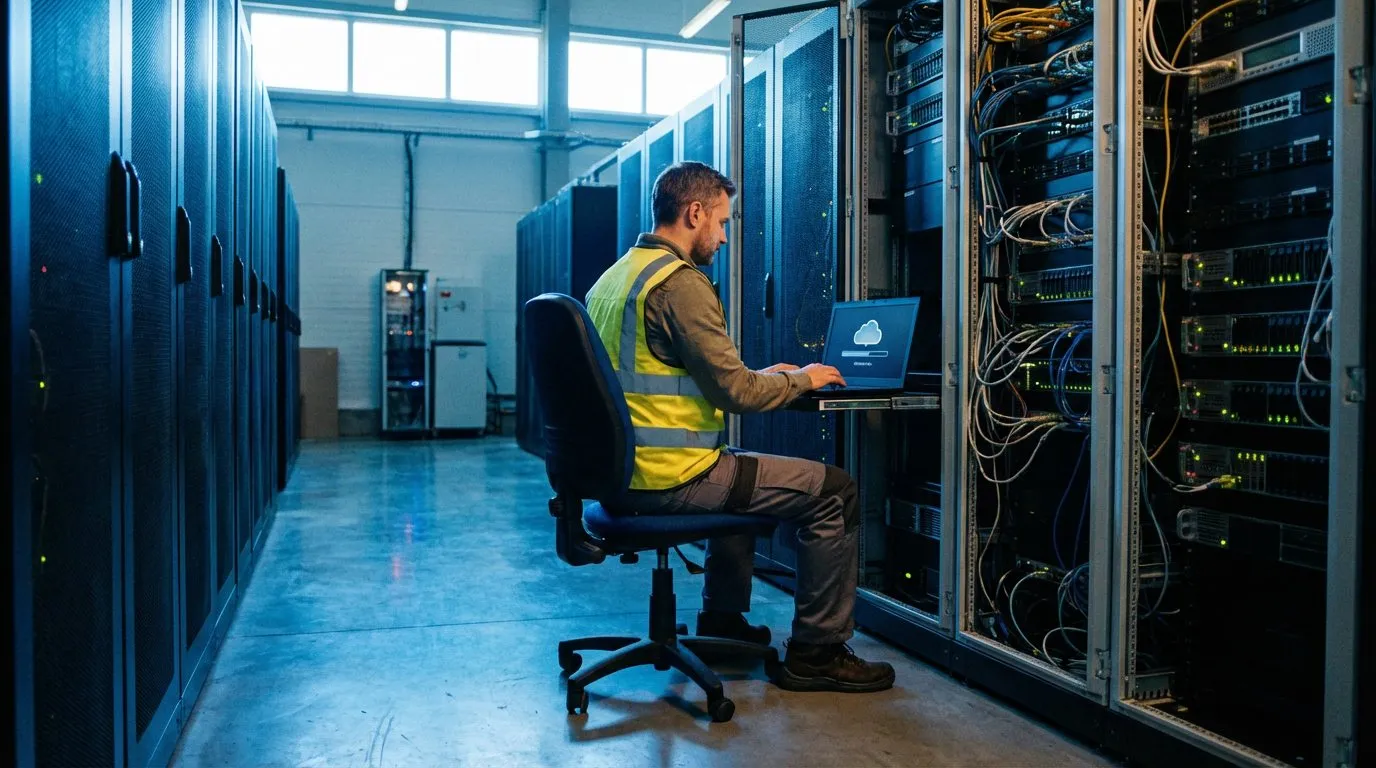
Employee in a high-visibility vest at a laptop in the server room
05

Equipment connectivity & integration

SAP EWM controls shuttles, conveyor systems and machines directly – one system, one truth in the material flow.

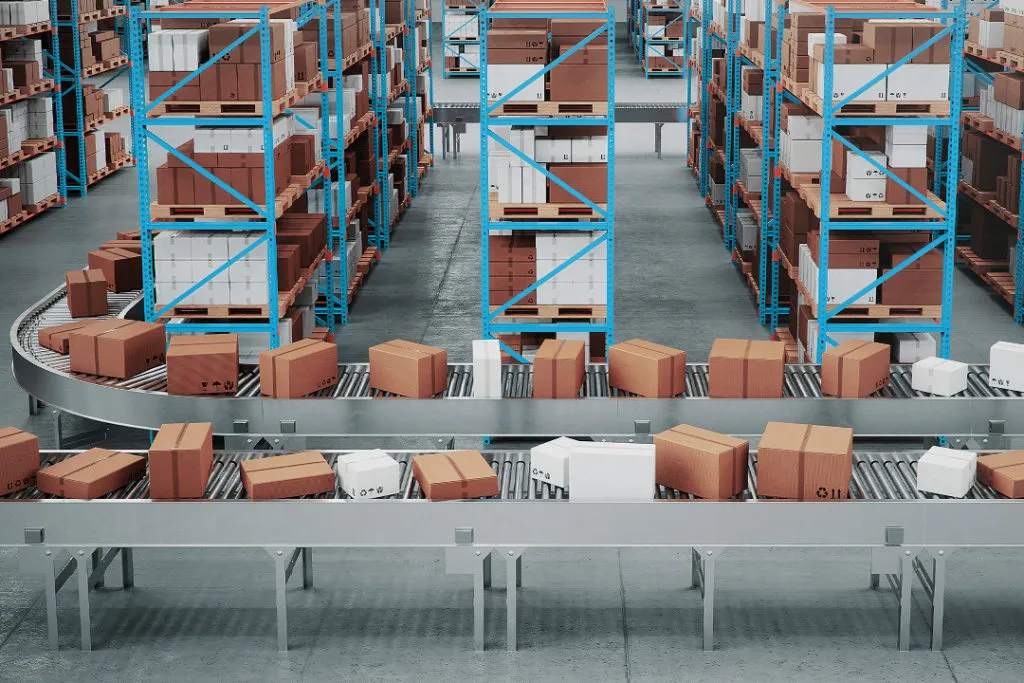
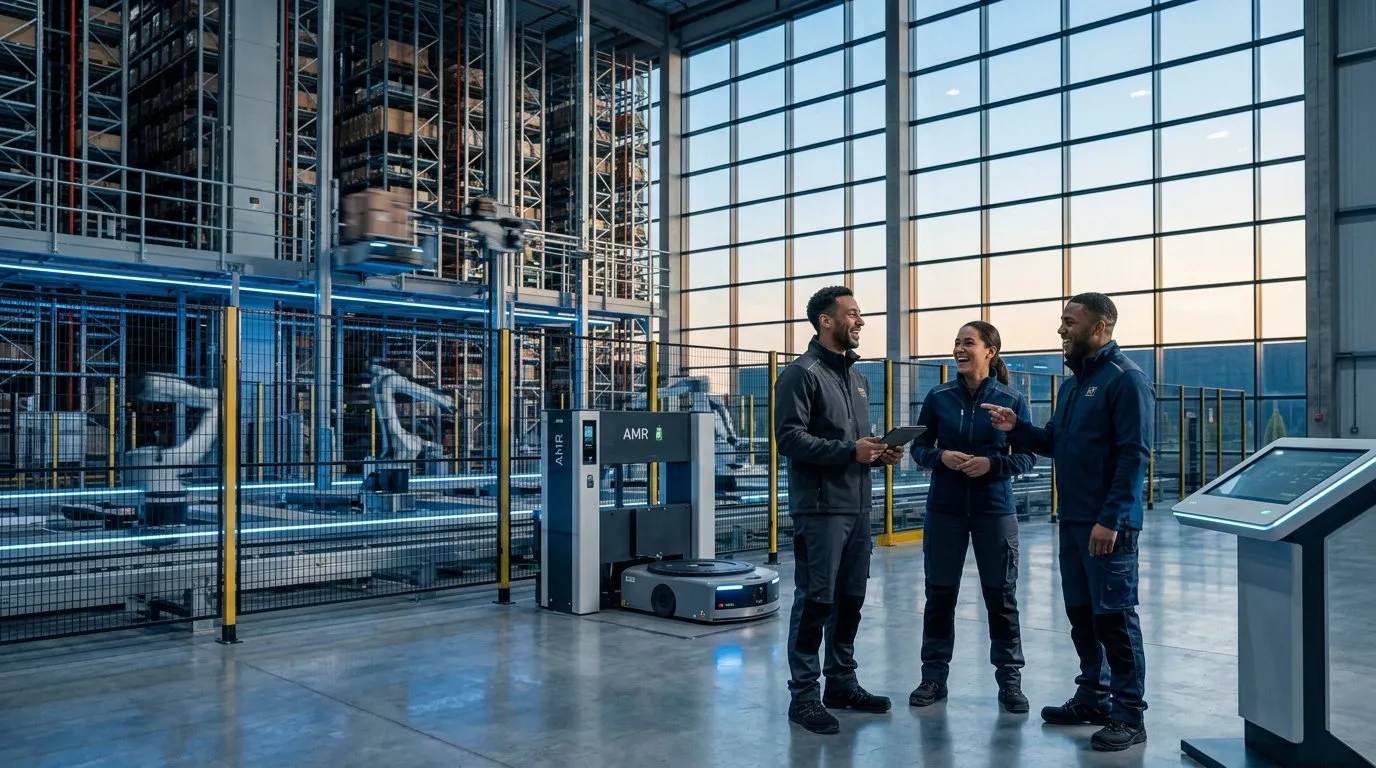
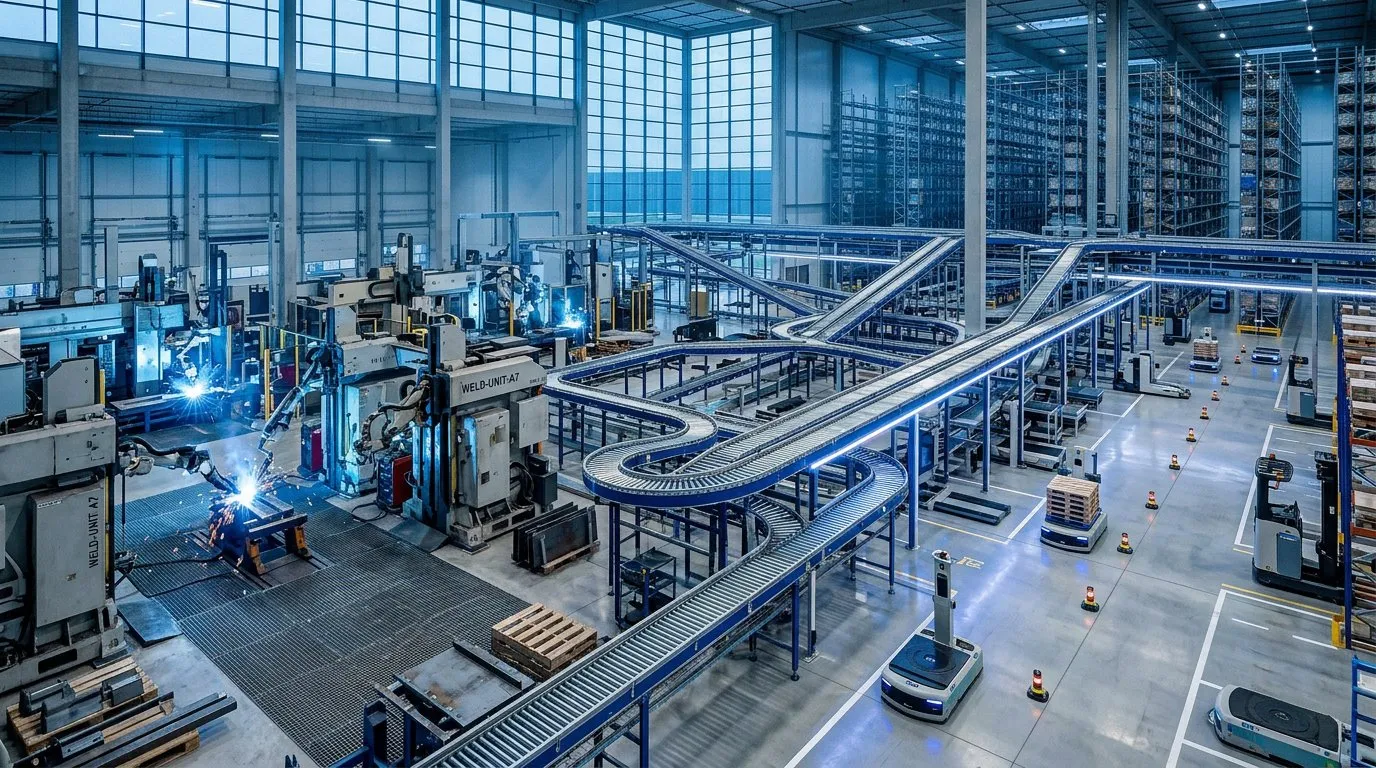
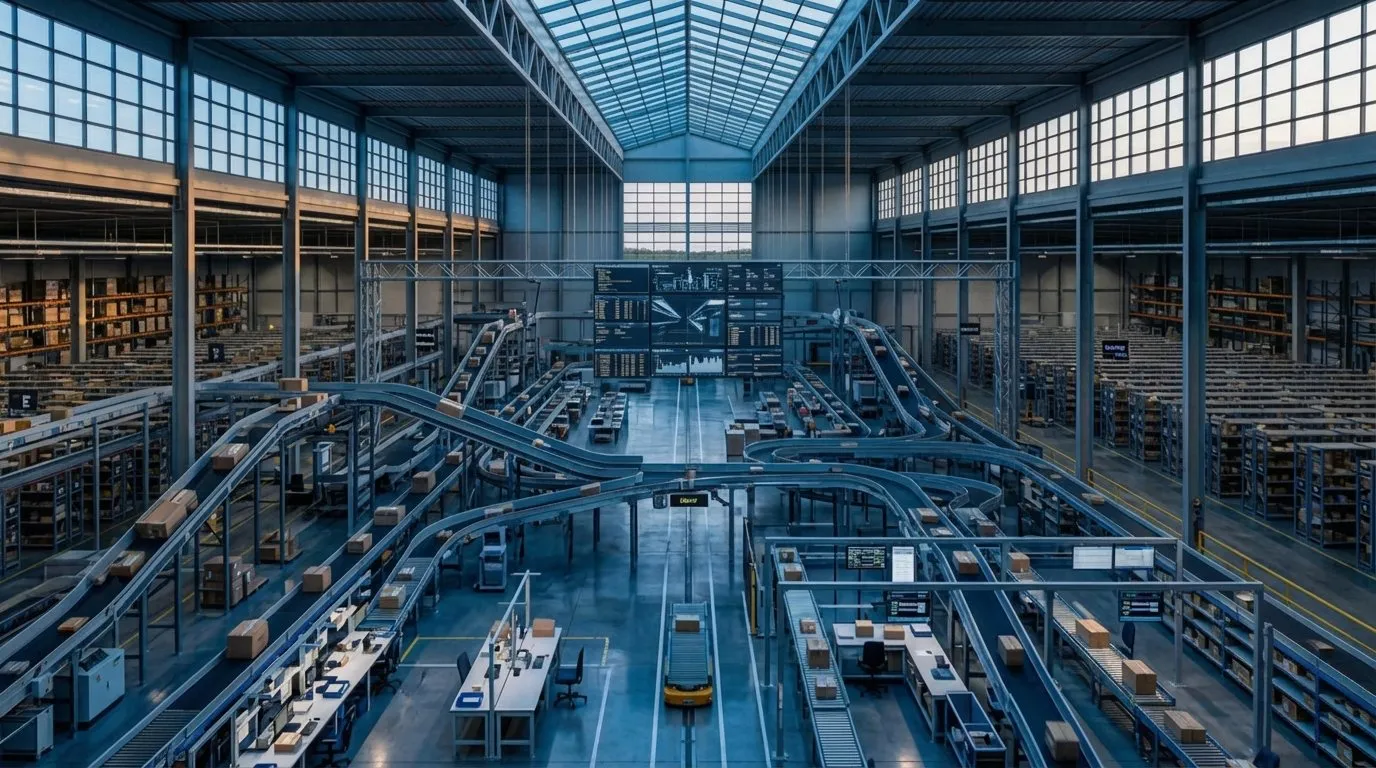
Hall with intertwining conveyor systems
  • Equipment connectivity

    With SAP EWM MFS (Material Flow System), SAP controls the equipment itself – down to the PLC level, without an additional system in between.We connect shuttle systems, high-bay warehouses, conveyor systems and production machines, via telegrams or API, and keep the entire material flow in one system.

  • WCS/WES integration

    If the equipment manufacturer supplies its own control system (WCS/WES, warehouse control/execution system), we define the interface.Who decides what, who owns the stock, what error cases look like. This way, SAP processes and equipment logic mesh instead of blocking each other.

  • Emulation, commissioning

    We test the integration against an equipment emulation before a single vehicle moves – telegrams, exceptions, load cases.During commissioning we are on site, from the first container to full-load operation, together with the equipment supplier.

  • Third-party systems & interfaces

    Third-party ERP, transport management (TMS), customs, scales, label printing: we connect EWM with everything the process depends on – via IDoc, API or middleware.Every interface gets monitoring and restart, so that errors become visible before shipping comes to a halt.

06

Operations & support

After go-live, everyday business begins – we make sure the system gets better, not worse.

  • In the first weeks after go-live (hypercare) we stay close: short response times, daily alignment, priorities by operational risk.

  • We do not just fix errors, we find the cause – so that the same error does not come back every week. Every case ends with a solution in the system or a documented decision.

  • Running systems collect ballast: slow reports, strategies that no longer match reality, processes full of workarounds. We measure where time is lost and clean up – in the processes and in performance.

  • A question in between does not need a project: reviewing a design decision, assessing an error, a second opinion on the equipment supplier's offer. You can call on us by the hour or by the day, without long lead times.

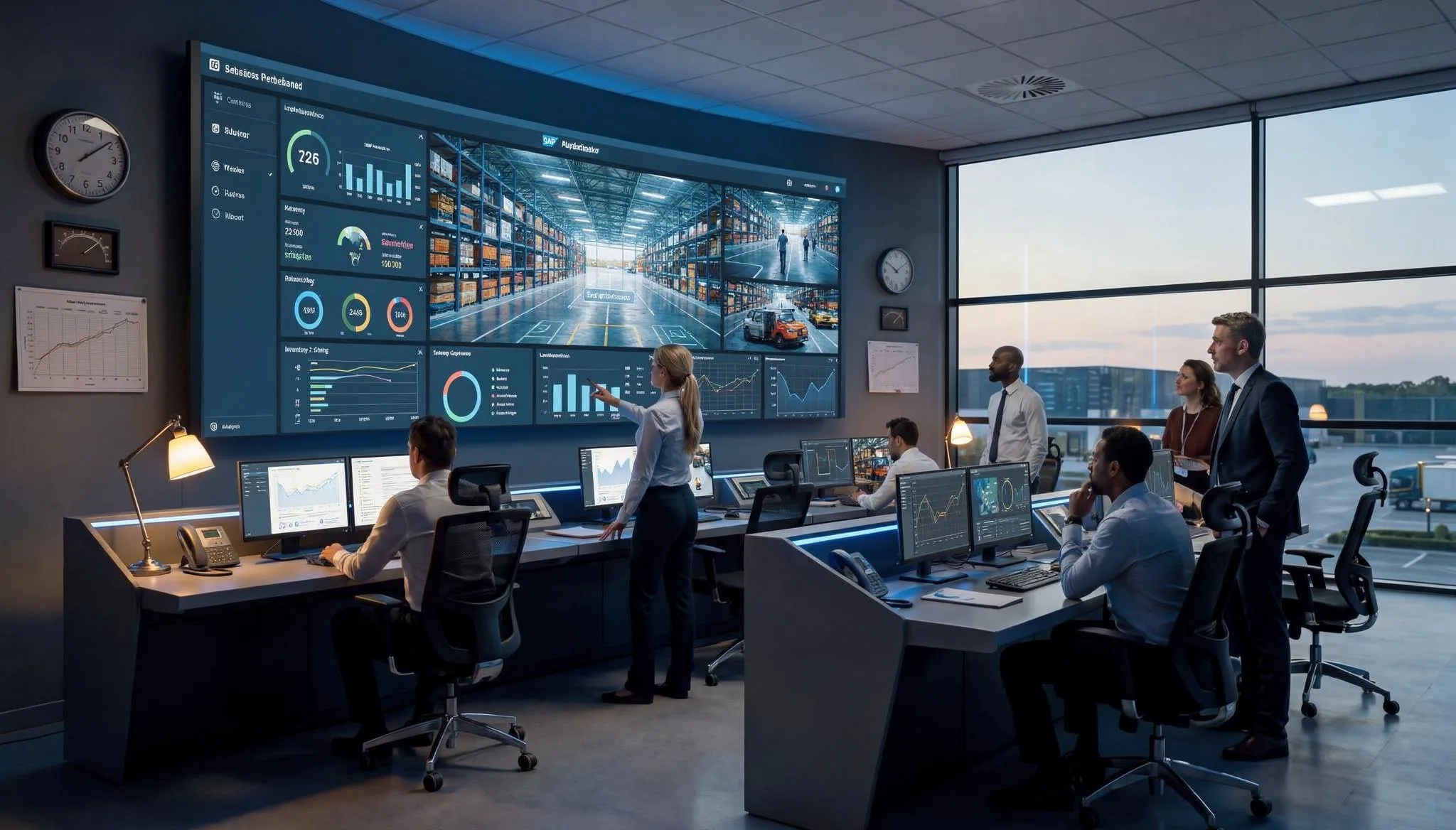
Control room with a large wall of logistics dashboards

Our agile DNA

Why we do not implement SAP standard software with a 200-page specification.

Read moreShow less

Standard software has an advantage that many projects give away: the system exists on day one.Instead of spending months describing what it should do one day, we show it, let you decide and adapt – in short cycles, with a fixed goal.

SAP Activate – SAP's own implementation methodology – provides for exactly this approach; we apply it instead of just quoting it in our proposals.

A running system instead of a document.

Decisions are made on screen, not on paper. Whatever sounds plausible in the specification shows within ten minutes in the system whether it works.

Key users decide every sprint, not at the end.

The people who will later operate the system see it every two weeks. That way there are no surprises at go-live – they would have come to light long before.

Scope is managed through priorities, not change requests.

A new requirement? It goes into the backlog and displaces something else – or waits until after go-live. The budget stays the same, the order changes.

Fixed milestones stay fixed.

Equipment delivery, commissioning, go-live date: these dates depend on contracts and construction schedules, not on sprints. We work agile in between – not around them.

  • flexible
  • fast
  • fair
Ways of working together

Three ways to work with us

Not every project needs the same role from us. Sometimes capacity is missing, sometimes know-how, sometimes both – we make clear at the start who does what, and adjust it as the team develops.

  • Several hands pulling together on a rope

    01

    Together to the next level

    One team, two backgrounds.

    Show detailsShow less

    A project nobody in-house has done before: the first EWM, the first equipment integration, the move to S/4HANA.We bring EWM, MFS and project experience, the team brings the processes and the company.Design decisions are made together, and key users sit in the core team.Roles are assigned from the start so that knowledge is built on the client side – not just with us.

    This is the mode most of our projects run in. And the reason why the team needs less of us in the second project than in the first.

    Starting point
    Know-how and capacity are missing, but the team should grow with the project.
    Outcome
    A system that fits the company, and a team that can do more on its own next time.
    Commercial model
    Project with a mixed team, fixed price per phase or time and materials with a budget cap

  • Training partner spotting the barbell during a bench press

    02

    Enablement

    The team does it itself. We provide the safety net.

    Show detailsShow less

    The SAP team is in place, but new to EWM, MFS, RAP or AI – or the dependence on external consultants is to be reduced deliberately.We set guardrails for architecture and extensions, review design and code, pair up on critical parts and train on real tasks instead of examples.For everything else, we are on call.

    Our share decreases over time – by plan, not by chance.

    Starting point
    In-house expertise is to be built up; mistakes would be too costly alone.
    Outcome
    A team that runs and develops the system – with us as a second opinion, not a bottleneck.
    Commercial model
    Coaching quota, review retainer, spot consulting
  • Handing over the relay baton on the track

    03

    Extended workbench

    We implement what the team specifies.

    Show detailsShow less

    Concept and architecture are in place internally, but capacity is missing: a development backlog, customising packages, interfaces, test execution.We take on clearly defined work packages with defined acceptance – in the client's tool landscape, according to the client's standards.

    What applies here too: documentation, coding rules, clean core.We execute, but never as a black box – every package is handed over so that the internal team can maintain it without us.

    Starting point
    The knowledge is there, but capacity is short.
    Outcome
    Backlog cleared, deadline met, architecture stays in internal hands.
    Commercial model
    Quota, sprint packages

Ready for the next step? Every company faces its own challenges. Together, we find out which levers need to be adjusted to bring the processes perfectly into Flow.

Articles on services